Chronic joint pain changes how a person moves, sleeps, and socializes. It interrupts hikes in the Laguna Coast Wilderness Park, keeps a paddleboard in the garage, and turns beach walks into careful steps. Many locals want relief without surgery or long-term pain pills. That is where regenerative medicine can play a real role.
In Laguna Beach, regenerative clinics focus on non-surgical therapies that tap into the body’s own healing signals. The goal is simple: reduce inflammation, help damaged tissue repair, and restore function. In a coastal community that values movement, longevity, and aesthetic wellness, this approach fits the lifestyle.
This article explains how regenerative medicine works for joint pain, who tends to benefit, what treatment looks like in practice, and how a local, physician-led clinic such as Dolce MD supports patients in 92651 and across South Orange County.
What is regenerative medicine, and how can it help joints?
Regenerative medicine uses the body’s own cells and biologic signals to encourage repair. For joints and connective tissues, this often means injecting concentrated growth factors or cellular products into the painful area. Think of it as supplying a high-volume “help wanted” signal to the body’s repair crews.
A few common options appear across clinics in Laguna Beach:
- Platelet-Rich Plasma (PRP): PRP comes from a person’s own blood. A centrifuge concentrates the platelets, which carry growth factors. Injecting PRP near a worn tendon or joint aims to reduce inflammation and support tissue healing. Exosome therapy: Exosomes are tiny particles that cells use to send instructions. Lab-prepared exosomes may help direct repair signals. Many clinics use them for skin and hair, and some integrate them in orthopedic protocols under physician oversight. Stem cell-related therapies: Mesenchymal stem cells (MSCs) are connective tissue cells found in bone marrow and fat. In some practices, autologous cells are processed and injected for joint issues. Regulations and specific methods vary by state and by product. Responsible clinics explain options with care and follow current guidelines. Prolotherapy: This injection method uses dextrose solution to gently irritate tissue in a controlled way. That mild stimulus can increase local blood flow and trigger repair signaling, which may help with lax ligaments and chronic tendon pain.
These therapies do not replace joint surgery in every case. They can, however, offer a non-surgical path that aims to calm inflammation and support structural healing, especially in early to moderate osteoarthritis or chronic soft-tissue injuries.
Which joint problems respond best?
Regenerative treatments tend to perform better when joint damage is not yet severe. Many Laguna Beach patients ask about the knees first, though other joints respond as well. Common targets include:
Knees with early osteoarthritis. Swelling, stiffness, and pain when going down stairs can signal cartilage wear. PRP or a combination protocol may help reduce flare-ups and improve function.
Shoulders with rotator cuff tendinopathy or partial tears. Surfers, swimmers, and pickleball players often notice pain with overhead motion. Growth-factor signaling can support tendon healing while a targeted rehab program builds strength.
Hips with gluteal tendinopathy or mild osteoarthritis. Pain on the outside of the hip during long walks or hikes is a regular complaint. Injections guided by ultrasound improve precision and can reduce pain during daily activity.
Elbows with lateral epicondylitis (tennis elbow) or golfer’s elbow. Office work, paddling, and racquet sports can irritate tendon fibers. PRP has shown promise in lowering pain and improving grip strength over time.
Ankles with chronic sprains or Achilles tendinopathy. Trail runners and beach volleyball players in 92651 and neighboring 92652 sometimes live with repeat injuries. Prolotherapy or PRP may help stabilize the area while physical therapy improves mechanics.
Severe osteoarthritis with “bone-on-bone” changes is a tougher case. Some people still feel relief from PRP or related care, but expectations should be realistic. When cartilage is very thin, the goal may shift to pain control and delay of surgery rather than full function restoration.
How does PRP actually work?
PRP starts with a simple blood draw. A centrifuge spins the vial to separate red and white blood cells from platelets. The platelet layer holds growth factors that help direct repair. After careful preparation, the clinician injects the PRP into or around the injured tissue.
Ultrasound guidance helps place the PRP exactly where it is needed. In knee osteoarthritis, the injection can go inside the joint. In tendinopathy, the needle can target the frayed tendon fibers. Precise placement means fewer blind sticks, better patient comfort, and more consistent results.
After a PRP injection, the area often feels sore for a day or two. That soreness signals the start of a healing cascade. Many people notice lower pain within four to six weeks. Some need a series of sessions. Improvement builds gradually as new collagen is laid down and inflammation cools.
Are exosomes and stem cell therapies available locally?
Many Laguna Beach clinics discuss “cellular” options. The terms can blur, so clarity helps.
Autologous cells come from the patient’s own body. Examples include bone marrow or adipose (fat) tissue. Clinics may process these cells to concentrate certain populations, including cells with the potential to support connective tissue. Regulations on processing and use can be strict. Responsible providers explain current rules, document consent, and avoid exaggerated claims.
Exosomes are tiny packets that cells use to communicate. Lab-prepared exosome products vary in source and purity. Some physicians use these in off-label ways to support healing signals. Given the evolving regulatory landscape, clinic leadership should explain sourcing, safety data, and the rationale for use in joint care. Patients deserve clear answers before proceeding.
For many joint problems, PRP remains a foundational option with a long track record. In select cases, clinics may combine PRP with hyaluronic acid (a lubricating gel), prolotherapy, or peptide support to build a program that matches tissue needs and patient goals.
What does a regenerative visit look like at Dolce MD?
Dolce MD is an MD-led, board-certified practice serving Laguna Beach and South Orange County. The clinic offers regenerative medicine in a boutique setting just off the Pacific Coast Highway, a short drive from Montage Laguna Beach. Patients from Emerald Bay, Top of the World, Woods Cove, Mystic Hills, and nearby communities such as Dana Point, Newport Beach, and Laguna Niguel often choose the practice for precise, non-surgical care.
A visit begins with a full evaluation. The physician reviews pain history, prior imaging, sports demands, and general health. If a patient has never had imaging, the clinic may recommend X-ray or MRI to understand the joint surface and soft tissues. For procedure planning, the physician often uses ultrasound at the bedside. Ultrasound shows tendons, ligaments, and injectate spread in real time.
If PRP is appropriate, a small blood draw follows. The centrifuge prepares the concentrate while the area is cleaned and anesthetized. Ultrasound-guided injection places PRP or other biologics exactly at the target. Most patients walk out of the clinic within an hour, with clear aftercare steps and a direct line for questions.
How long until pain improves?
Timelines vary. With mild to moderate osteoarthritis, many patients report noticeable change within four to eight weeks after a PRP injection. Tendinopathies often need six to twelve weeks and sometimes two to three sessions. This pace may feel slow at first, but improvement can be steady and durable. Lifestyle changes and rehab speed the process.
Severe cartilage loss needs careful expectations. Relief may still occur, but the degree can be limited. The physician explains options honestly, including when to continue conservative care and when a surgical consult makes sense.
How do regenerative injections compare with cortisone?
Cortisone injections can calm a flare fast. Pain often drops within a day or two. That effect can be meaningful for short-term function. The downside is that repeated cortisone may weaken tissue and does not help healing. Some patients also experience blood sugar spikes or facial flushing.
Regenerative injections aim for the longer game. PRP and related options do not numb pain on day one. They try to correct the problem by triggering repair and reducing inflammation. The trade-off is slower onset for the chance of more durable change. For many active adults in Laguna Beach who want to stay in motion, that trade-off feels right.
What are the risks and side effects?
Any injection has risks. Most are minor and short-lived. Common issues include temporary soreness, swelling, or bruising. Infection is rare but possible. Allergic reactions are uncommon with autologous treatments like PRP, since the product comes from the patient’s own blood. Exogenous products, including some exosomes or hyaluronic acids, carry a different risk profile and need a careful consent process.
A responsible clinic explains risks clearly, screens for contraindications, and uses sterile technique. Ultrasound guidance improves accuracy and may reduce the number of needle passes. Dolce MD follows physician-led protocols that prioritize safety and evidence-informed dosing.
Why do ultrasound-guided injections matter?
Hitting the right target matters more than any brand name. Ultrasound shows tendons, ligaments, nerves, and blood vessels in real time. The clinician can angle the needle to reach the damaged area while avoiding sensitive structures. This precision increases the chance that the biologic lands where it can help most. It also reduces guesswork and regenerative medicine specialists can improve comfort.
Dolce MD relies on ultrasound guidance for most joint and tendon injections. This is part of the non-surgical orthopedics approach that the clinic brings to the Laguna Beach community.
What about hyaluronic acid, prolotherapy, and combination protocols?
Some knees respond well to hyaluronic acid. This gel-like substance improves lubrication and may reduce friction inside the joint. It can be used alone or paired with PRP. Pairing aims to relieve symptoms while growth factors get to work on tissue quality.
Prolotherapy uses a dextrose solution to create a mild inflammatory response. That response attracts healing cells and can tighten lax ligaments over time. It is often applied around the knee, ankle, elbow, or low-back ligaments. In the right case, prolotherapy can improve stability and reduce the “giving way” feeling that causes fear during hikes on steep Laguna trails.
Combination protocols make sense when the problem has multiple layers. For example, a runner might have a frayed patellar tendon, mild meniscal wear, and hip weakness. A plan could include PRP to the tendon, hyaluronic acid in the joint, and targeted strength work to balance the chain. The idea is to support tissue biology and human movement at the same time.
Do hormones, peptides, or IV therapies matter for healing?
Healing depends on general health. Hormone balance, protein intake, sleep, and micronutrients all influence how tissue repairs. In midlife and beyond, some patients benefit from evaluating testosterone, estrogen, progesterone, and thyroid status. Bio-identical hormone replacement therapy (BHRT), when appropriate and physician-directed, can improve energy, mood, and recovery. This is relevant for joint pain, since consistent rehab and movement are easier when energy and sleep improve.
Certain peptides may support collagen production or reduce inflammation. NAD+ infusions and amino acid blends can aid recovery from heavy training or prolonged stress. IV nutrient therapy can correct deficiencies faster than oral supplements in select cases. These steps do not replace targeted injections. They strengthen the internal environment so local treatments can perform better.
Dolce MD integrates regenerative IV protocols when indicated and monitors lab markers for safety. Plans remain individualized rather than one-size-fits-all.
What technology supports better outcomes?
Precision and product quality drive results. Key tools include:
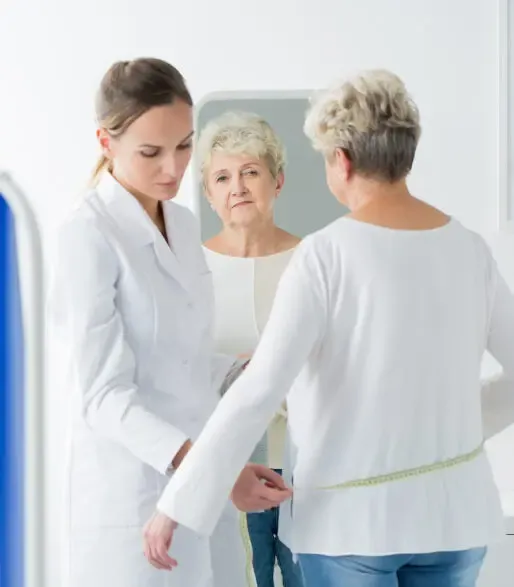
- Centrifuge for PRP preparation. This device concentrates platelets and growth factors from a standard blood draw. Ultrasound-guided injections. Real-time imaging improves accuracy and safety. Cold laser therapy. Low-level laser may reduce pain and support microcirculation in the days after a procedure. Cryotherapy chambers. Cold exposure can reduce soreness, though timing matters relative to an injection. The physician guides this. Bio-impedance analysis. This tool estimates body composition and hydration, which can help guide nutrition and recovery.
For skin and hair concerns that often accompany midlife joint problems, clinics may pair medical aesthetics with regenerative care. Microneedling devices such as SkinPen, topical growth factors, and exosome serums can improve skin texture. Brands like AnteAGE, SkinMedica, Neocutis, AlumierMD, and DefenAge are common at physician-led med spas serving Laguna Beach and nearby coastal neighborhoods.
Who is a good candidate for regenerative joint care?
- Adults with early to moderate osteoarthritis who want to reduce pain and delay surgery. Athletes with chronic tendinopathy or partial ligament tears confirmed on imaging. People who had brief relief from cortisone but want a longer-acting solution. Individuals who can commit to aftercare and rehab, including strength and mobility work. Patients cleared by a physician, with no active infections or bleeding disorders.
What should a patient expect during the first month?
- Day 1 to 3: Soreness near the injection site. Relative rest, gentle range of motion, and guided pain control. Week 1 to 2: Gradual return to light activity. Focus on blood flow and mobility. Avoid high-impact loading. Week 3 to 4: Begin strength progressions under supervision. Many report early pain reduction. Follow-up: The physician checks progress and adjusts the plan. A second session may be discussed if needed. Ongoing: Sleep, protein intake, and stress management support collagen formation and long-term results.
How does local lifestyle affect protocols in Laguna Beach?
Laguna Beach residents tend to stay active. The terrain invites hill walks in Top of the World, paddle sessions at Victoria Beach, and morning runs past Heisler Park. That activity level shapes care. Regenerative plans here often include return-to-sport timelines, sport-specific strength work, and guidance for ankle, hip, and core stability on uneven ground.
Sun exposure and saltwater also influence skin and soft tissues. Some patients pair joint care with scalp PRP for hair density or exosome serums for sun-worn skin. Coordinating these sessions reduces downtime and aligns with local goals of healthy movement and healthy appearance.
What about brand choices and product quality?
Reputable clinics disclose their products. In the aesthetics space, many patients know names like Galderma, AbbVie (Allergan), Merz Aesthetics, and SkinCeuticals. For skin regeneration, premium lines such as AnteAGE stem cell skincare, DefenAge, Neocutis, AlumierMD, and SkinMedica are common. These brands support collagen and elasticity while joint care improves comfort and function.
For body contour or pelvic floor health that may affect movement mechanics, clinics may offer BTL Aesthetics technologies such as Emsculpt or Emsella. Better core strength and pelvic stability can reduce joint strain, especially in runners and hikers navigating the canyons above Laguna.
How does Dolce MD handle diagnosis and precision delivery?
Accurate diagnosis leads the plan. The physician starts with a detailed history, focused exam, and, when needed, imaging. Ultrasound at the bedside does two jobs. First, it confirms the pain generator. Second, it maps a safe injection path that avoids nerves and blood vessels. During the procedure, the image shows the needle enter the target tissue. The clinician can also observe how the injectate spreads, which increases confidence that the dose reached the right area.
For ligaments and tendons, micro-needling of the diseased fibers may be performed under ultrasound first. This “peppering” can stimulate a healing response before PRP is injected. The goal is to wake up the quiet, frayed tissue so growth factors can take hold.
What results are realistic?
Most patients with early to moderate joint disease describe less pain with daily tasks such as stairs, long walks, and light sports. Some return to surfing, tennis, or trail running with fewer flares. Measurable gains may include improved single-leg squat control, longer pain-free walk time, and less morning stiffness.
No therapy works for everyone. Older injuries with severe cartilage loss can be difficult. Expectation setting matters. A careful clinician explains likely outcomes by condition. The conversation may include when to merge regenerative work with bracing, footwear changes, or surgical consults if progress stalls.
How does nutrition and recovery affect outcomes?
Tendon and ligament repair need building blocks. Collagen forms from amino acids such as glycine and proline, with vitamin C acting as a co-factor. Sleep cycles release growth hormone, which also supports tissue rebuilding. A person who eats enough protein, hydrates well, and sleeps six to eight high-quality hours is more likely to see stronger gains.
Alcohol can blunt recovery. So can smoking or vaping nicotine. Managing these habits for several weeks after injections helps results. Dolce MD often reviews these topics during the consult so the plan covers biology as well as behavior.
Are there red flags that should prompt imaging or referral?
Yes. Red flags include sharp night pain that will not settle, a locked knee that cannot straighten, heavy joint swelling with fever, sudden calf pain or swelling after an injection, or numbness and weakness in the limb. These signs call for urgent evaluation. A physician-led clinic explains these risks and provides clear contact steps in case anything feels wrong.
What does local access look like for Laguna Beach and nearby cities?
Dolce MD serves the coastal community of 92651 and surrounding Orange County enclaves. Many patients come from Emerald Bay and Top of the World, as well as Arch Beach Heights, Three Arch Bay, Woods Cove, Temple Hill, and Mystic Hills. The clinic also welcomes residents from Crystal Cove, Corona del Mar, Laguna Niguel, Aliso Viejo, Dana Point, and Newport Beach. The location near Pacific Coast Highway makes access simple, with quick routes from Main Beach, the Laguna Art Museum, the Festival of Arts grounds, and Treasure Island Beach.
For patients balancing busy schedules, the clinic offers streamlined visits and post-procedure check-ins. Parking access and efficient appointment flow reduce friction for those heading back to work or to a child’s game at Riddle Field.
How do aesthetics and orthopedics intersect at one clinic?
Many people address joint pain while pursuing skin health, hair density, or body contour goals. Coordinated care can lighten the overall load. For example, a person with knee tendinopathy may schedule PRP for the tendon and, on a later date, microneedling with growth factors for sun damage. A shared medical record and one physician overseeing care can simplify safety checks and timing.
Brand partners such as Galderma, Merz Aesthetics, and SkinMedica are used for facial rejuvenation, while AnteAGE and DefenAge support collagen renewal. This whole-person approach aligns with the Laguna lifestyle of longevity and outdoor activity combined with refined aesthetics.
What does physician leadership add?
Physician leadership brings a few advantages:
- Accurate diagnosis and ultrasound-guided precision. Knowledge of contraindications and drug interactions, which protects safety. Ability to integrate orthopedics with hormone health, IV therapy, and medical aesthetics without fragmenting care. Access to evidence-informed protocols rather than trend chasing. Clear communication about benefits, limits, and timelines.
Dolce MD operates as an MD-led facility with board-certified oversight. Treatment plans are personalized, data-informed, and structured to minimize downtime.
What questions should patients ask before proceeding?
Good decisions start with good questions. Helpful topics include:
- What exact product will be injected, and is it autologous or lab-derived? Will ultrasound guide the injection, and can the target be shown on screen? How many sessions are common for this condition? What activities should be paused, and for how long? What outcomes are realistic for a case like this, given imaging and exam findings?
A clinic that welcomes questions usually delivers clearer care and steadier results.
How does Dolce MD meet local expectations for regenerative medicine Laguna Beach?
Residents of Laguna Beach, CA value movement, artistry, and a coastal pace that respects health. Chronic knee, hip, shoulder, or elbow pain undermines that. Dolce MD aligns care with these values by focusing on non-surgical orthopedics, evidence-informed cellular therapy, and precise procedures that support real-life activity. Patients can expect:
- Ultrasound-guided injections with PRP and growth factors to address early osteoarthritis, tendonitis, and partial ligament tears. Options that may include exosome therapy, hyaluronic acid, and prolotherapy when indicated. Supportive services such as BHRT, peptide guidance, NAD+ infusions, and IV nutrient therapy to improve recovery and energy. Aesthetic and performance offerings from trusted names like Galderma, Merz Aesthetics, AbbVie (Allergan), AnteAGE, DefenAge, Neocutis, AlumierMD, SkinMedica, and BTL Aesthetics for Emsculpt or Emsella when movement mechanics and confidence overlap.
Everything centers on safe, MD-directed care that fits an active lifestyle in Southern Orange County.
What is the typical treatment course and follow-up?
Most joint patients start with a consult and imaging review. A single PRP injection may be enough for a mild case. Moderate cases often need two or three sessions spread across several months. Progress checks assess pain scores, function, and strength. If the joint responds well, future maintenance may be less frequent.
Patients with chronic tendinopathy usually follow a clear rehab sequence. Early isometrics reduce pain. Progressive loading then builds tendon capacity. The clinic shares a written plan and coordinates with local physical therapists when needed.
How can someone get started in Laguna Beach?
Chronic joint pain does not have to set the schedule. An initial visit at Dolce MD clarifies diagnosis, explains realistic options, and outlines a plan. The clinic is easy to reach from Pacific Coast Highway, with proximity to Montage Laguna Beach and Main Beach. Appointments serve the 92651 and 92652 zip codes and the wider South OC region.
Prospective patients can book a physician-led regenerative consultation to discuss non-surgical alternatives for pain and aging. The practice operates under board-certified leadership, follows evidence-based cellular protocols, and maintains a boutique medical experience that respects time and privacy.
Final thoughts: a practical path back to motion
A return to pain-managed, confident movement is possible for many people with chronic joint pain. It often involves modest steps done consistently: precise ultrasound-guided PRP, smart loading in the gym, better sleep, and a nutrition plan that feeds collagen. In a place like Laguna Beach, that work pays off on the stairs from Victoria Beach, on the bluffs above Treasure Island, and during an evening walk past the Laguna Art Museum.
Dolce MD stands ready to help locals reclaim that motion with regenerative medicine grounded in science and delivered with care. To explore whether PRP, exosome therapy, prolotherapy, or a combined approach fits a specific case, schedule a consultation. A focused plan today supports the active, outdoor life that defines Laguna Beach for years to come.
Dolce MD provides personalized medical care and concierge medicine services in Laguna Beach, CA. Led by Dr. John Sanguedolce, our clinic focuses on health management, wellness, and preventive care in a private, supportive setting. We treat patients as partners, combining modern medicine with compassionate service. Whether you need ongoing primary care or advanced medical guidance, Dolce MD offers a complete approach to help you reach your health goals. We’re proud to serve the Laguna Beach community with accessible, doctor-led care that puts your well-being first.
Dolce MD
310 Glenneyre St
Laguna Beach,
CA
92651,
United States
Phone: (949) 209-9266
Website: https://dolcemd.com
Social Media: Instagram, Yelp, Facebook, LinkedIn
Map: View on Google Maps